AI Doesn't Replace Engineering Discipline: Questions to Ask an AI-First Software Vendor

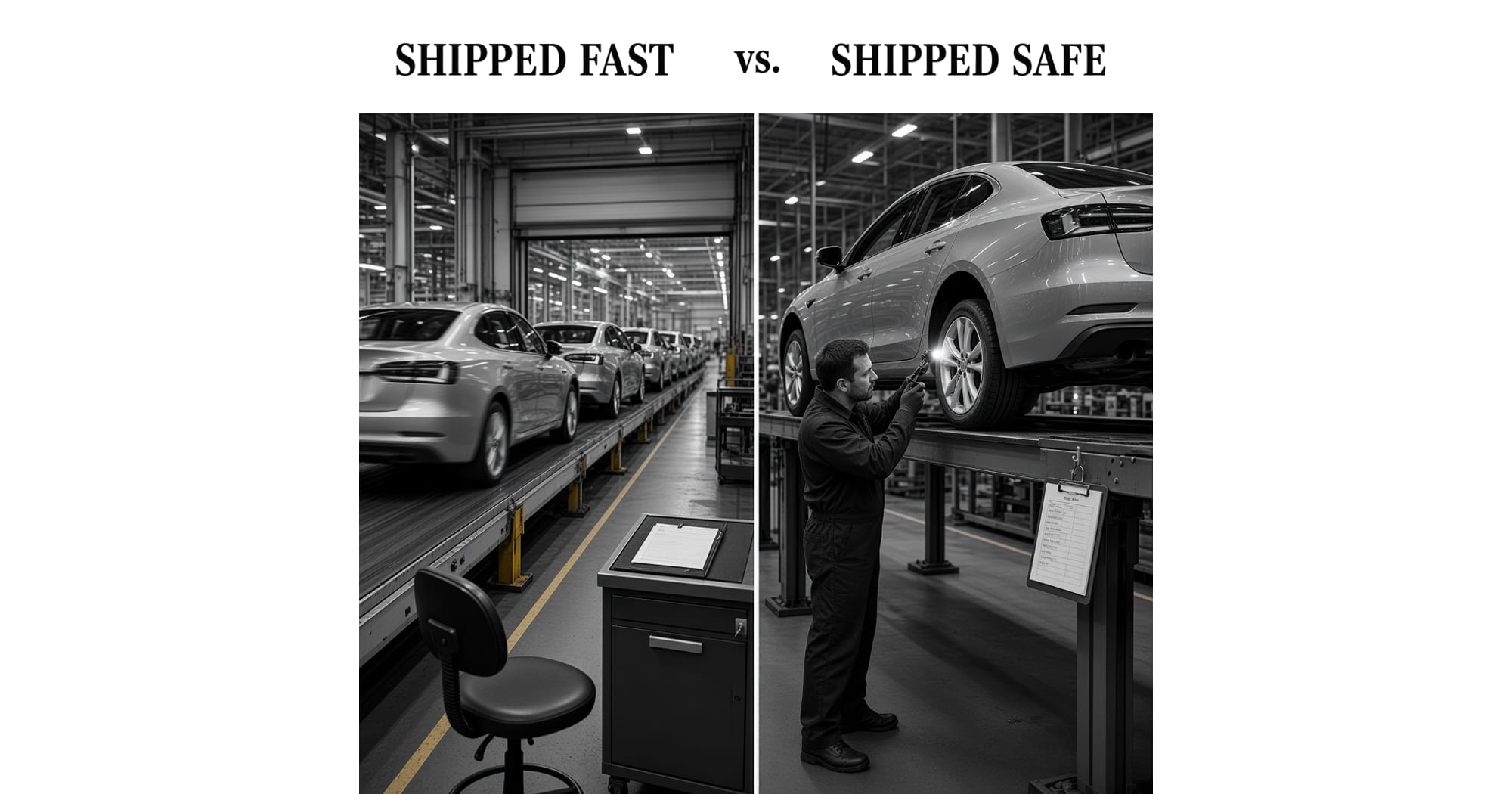
Two car factory scenes side by side. Left, labeled shipped fast: cars roll off the line past an empty inspector's chair and an untouched clipboard. Right, labeled shipped safe: an inspector checks the underside of a car with a flashlight, with a checklist clipped to the lift.

In April, an AI coding agent at a small software company deleted the company’s production database, and its backups with it, in one API call. It took nine seconds. Most of the headlines blamed the AI. I don’t think that’s the story.

The agent deleting a storage volume was one mistake. The rest were made by people, long before the agent ran: an API token that could do anything was sitting in an unrelated file, the backups lived on the same volume as the data, and the offsite export had quietly stopped working, so the newest usable copy was three months old. The hosting provider was able to restore the data, though at least one account says customers still had to rebuild bookings by hand.

AI didn’t create those gaps. It found them, faster than anyone else would have.

Continue reading “AI Doesn't Replace Engineering Discipline: Questions to Ask an AI-First Software Vendor”
Deterministic AI Guardrails: Asking vs. Enforcing

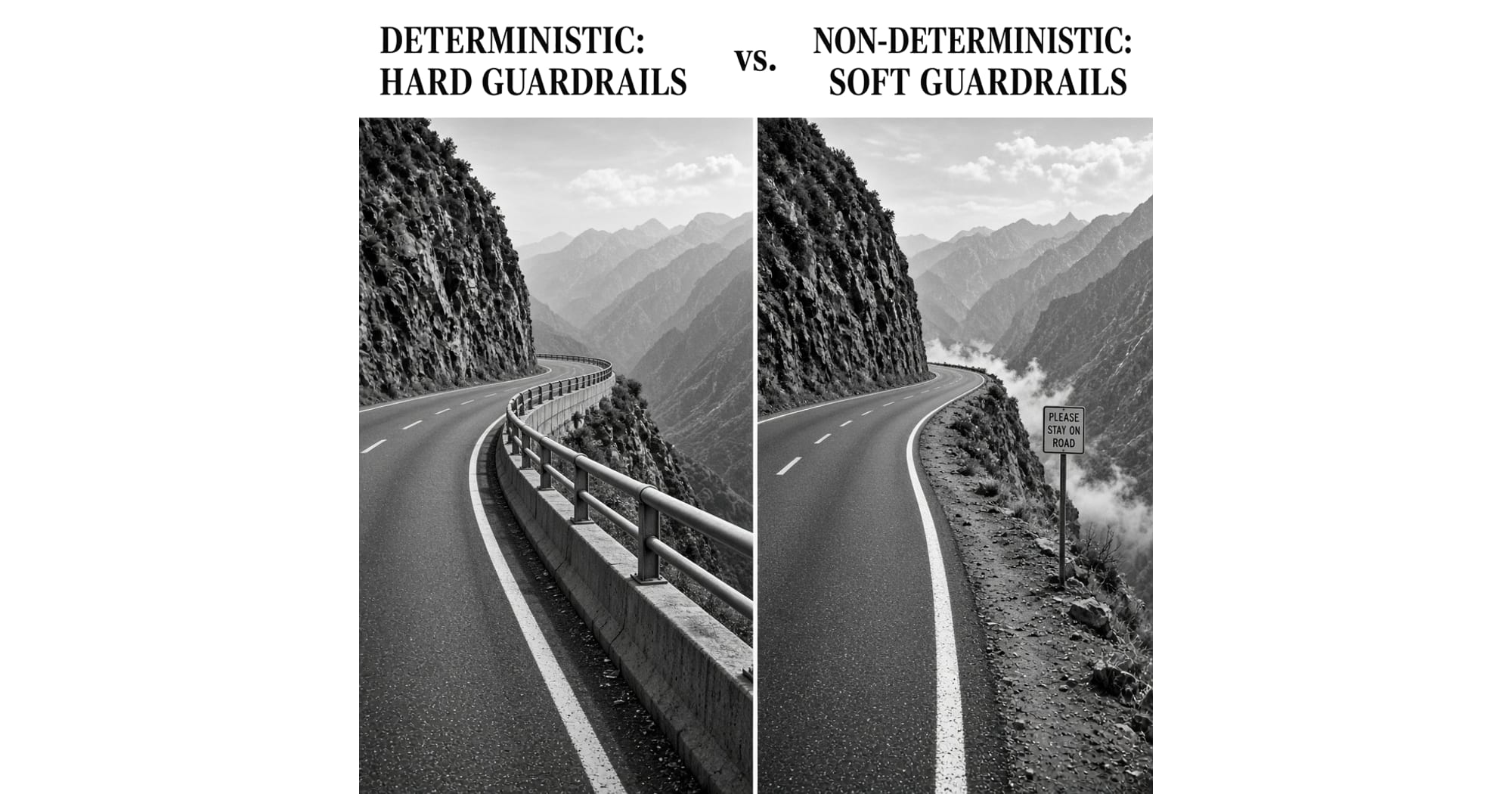
Two mountain roads side by side. Left, labeled deterministic hard guardrails: a steel guardrail on a concrete barrier runs along the cliff edge. Right, labeled non-deterministic soft guardrails: the same kind of road with no barrier, only a small sign that says Please stay on road.

When someone says “our AI has guardrails,” ask what kind. Most of the time they mean instructions the AI is supposed to follow. That’s a boundary the AI can fail to stay inside.

Picture an AI agent that’s told to only edit draft reports. It does, for weeks. Then a user asks it to “clean up last month’s reports so they match the new format,” and the agent decides that last month’s approved reports count. Nothing stopped it, because the only thing in its way was a sentence.

Continue reading “Deterministic AI Guardrails: Asking vs. Enforcing”

Understanding Scalability using Pizza

A non-technical explanation

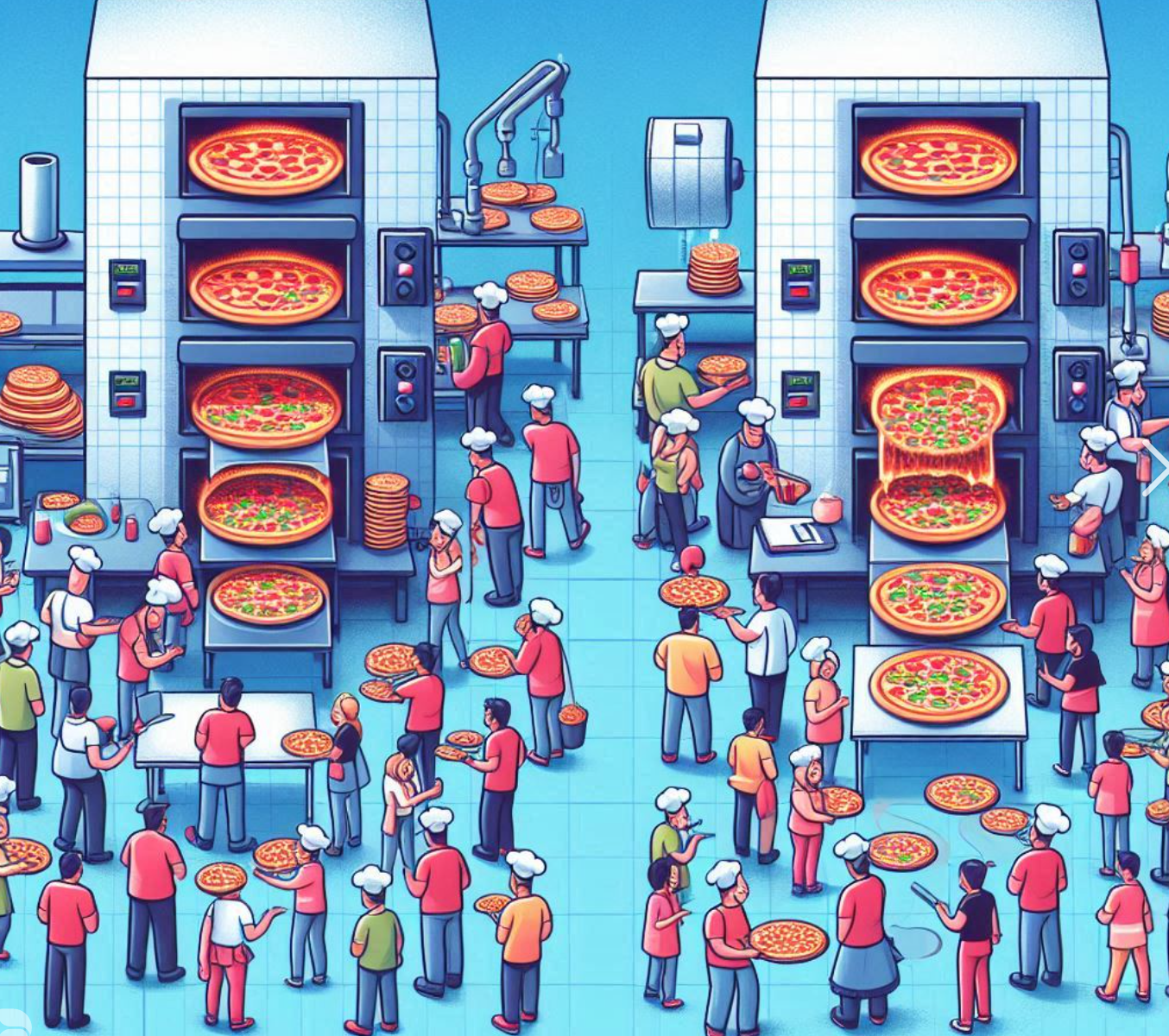
I was recently having dinner at Pizarro’s, our favorite pizza parlor in Houston. This time we happened to visit the West Gray location, where I noticed they had 2 ovens, compared to the 1 oven at the Katy Freeway location we usually frequent. That’s when it occurred to me it would be fun to try and explain scalability using a pizza oven analogy.

Continue reading “Understanding Scalability using Pizza”

Well Operations Reports: Morning vs. Afternoon

RigReports plays a crucial role in tracking and documenting daily well operations. Its main function is to provide a robust and reliable report delivery system that simplifies the process for the entire team. In this blog post we’ll delve into the two main mechanisms of delivering these reports: the Morning Report and the Afternoon Report (also known as a Partial Report). These seemingly similar documents serve distinct purposes, and understanding their differences is essential for efficient communication and decision-making.  

In the following sections, we’ll break down the morning and afternoon reports, highlighting their use cases and benefits, and when to choose one or both.  

Continue reading “Well Operations Reports: Morning vs. Afternoon”

How To Activate your On-Premise Analytical SQL Database

This guide is for users of any of the WellOps platform applications from Mi4 who would like to have a copy of the cloud analytical database hosted on their local SQL server.

By default, the SQL Analytical Database we provide is hosted in Azure, but in some cases clients would prefer to have the database located on their local servers in their office, in their data center, or in their own private cloud environment.

Users of RigReports or Productioneer benefit from having direct access to a simplified data model of their transactional database that makes creating their own analytics easier.

Continue reading “How To Activate your On-Premise Analytical SQL Database”

The Road To Data Ownership – part 4

Database Access Methods For Techs and DBAs

We understand the significance of catering to the needs of the more technical users, such as engineering techs and database administrators (DBAs), who require direct access to the underlying database. RigReports offers various database access methods to accommodate their specific requirements, ensuring they have the necessary tools to effectively manage and analyze the data. 

Continue reading “The Road To Data Ownership – part 4”

The Road to Better Data Ownership – Part 2

Single Version Of The Truth

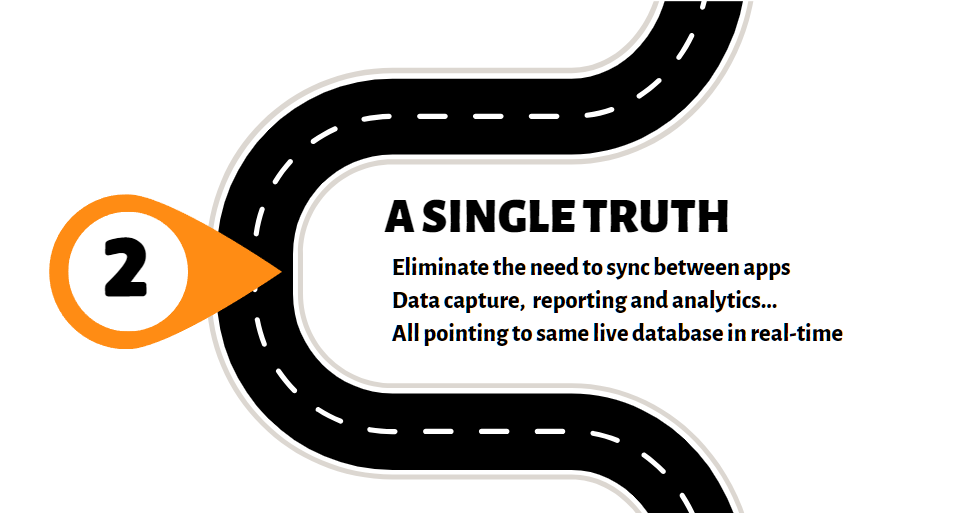
Data is the lifeblood of our applications, and ensuring its freshness is vital for accurate decision-making and analysis. While designing the WellOps platform, and later RigReports, we chose to implement a live database infrastructure to provide users with up-to-date and synchronized data across multiple applications and interfaces, eliminating the need for data synchronization between transactional and analytical databases.

Continue reading “The Road to Better Data Ownership – Part 2”

The Road To Better Data Ownership

Core Beliefs

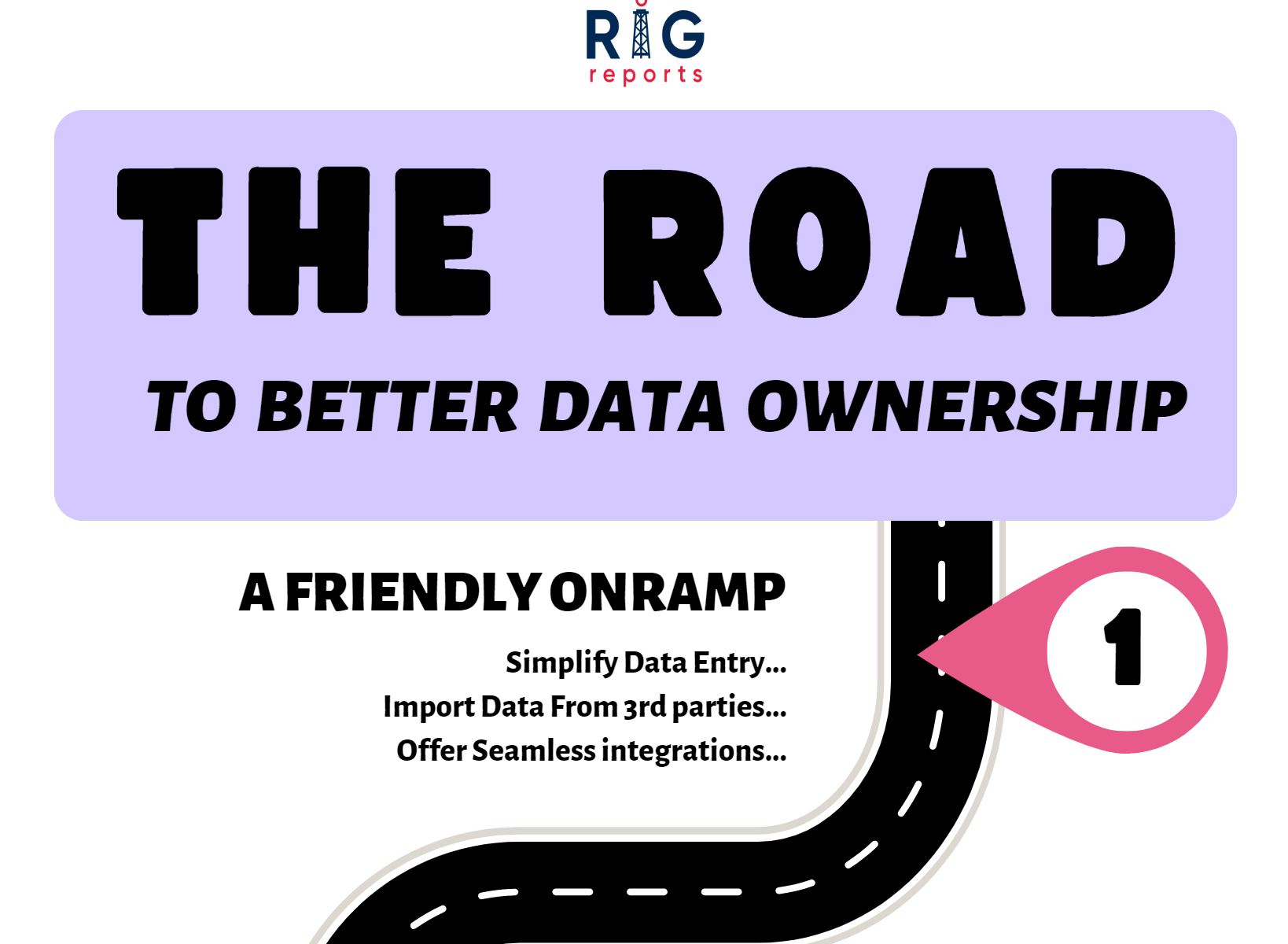
At Mi4, one of our core beliefs revolves around empowering our users with unparalleled data ownership. We firmly believe that users should have complete control and access to their data, enabling them to make informed decisions, gain insights, and derive value from this digital asset.

The Roadmap

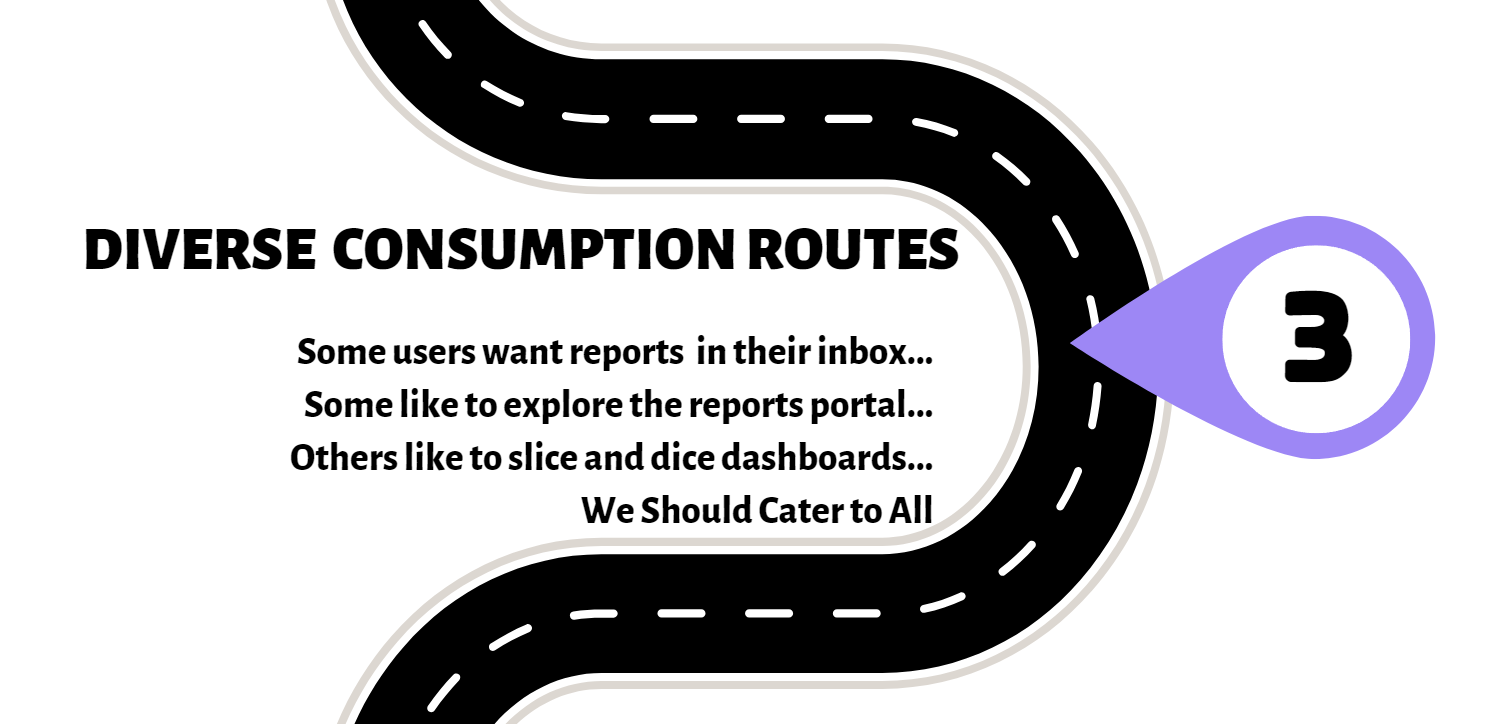
To achieve this goal, we have developed a comprehensive roadmap that I will be talking about in a series of blog posts. Some of these measures are already implemented, and the rest we will be covering as we implement them so you can experience this journey with us in real time.

Continue reading “The Road To Better Data Ownership”

Calendar Table for Oil & Gas Data (Date Dimension)

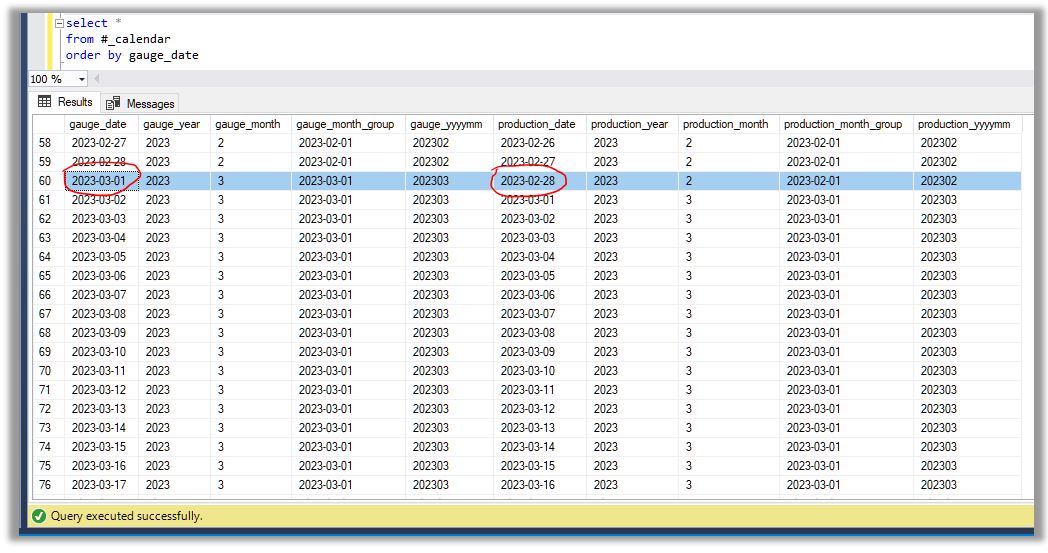
Dates in the Oil & Gas industry data can be a little tricky.

Especially when aggregating data, such as production volumes, to a daily level, and trying to connect multiple tables with date columns.

Some tables, such as tank levels or production volumes, could be based on a Gauge Date (aka Report Date) since the data is measured, aggregated, reported or “gauged” on that date (today), but in essence it is yesterday’s data, or to be more accurate, it is the data for the 24 hour period that began yesterday at the contract hour (e.g. 6am) and ended today at that same time, or the Production Date.

Other tables could have actual dates, such as sales tickets, run tickets, operation logs, etc.

Continue reading “Calendar Table for Oil & Gas Data (Date Dimension)”
Privacy Policy Made with ❤ in Texas.