AI Doesn't Replace Engineering Discipline: Questions to Ask an AI-First Software Vendor

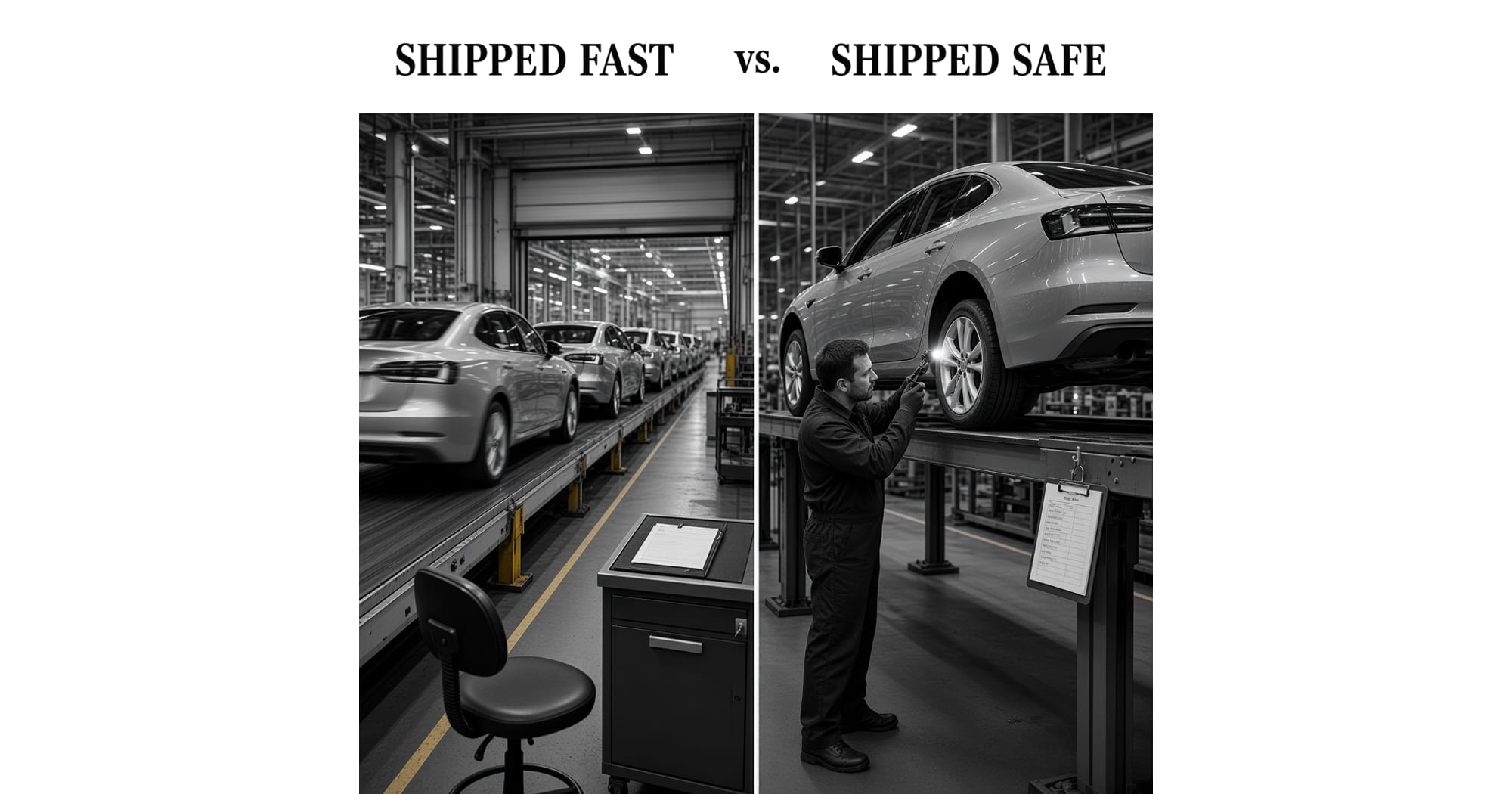
Two car factory scenes side by side. Left, labeled shipped fast: cars roll off the line past an empty inspector's chair and an untouched clipboard. Right, labeled shipped safe: an inspector checks the underside of a car with a flashlight, with a checklist clipped to the lift.

In April, an AI coding agent at a small software company deleted the company’s production database, and its backups with it, in one API call. It took nine seconds. Most of the headlines blamed the AI. I don’t think that’s the story.

The agent deleting a storage volume was one mistake. The rest were made by people, long before the agent ran: an API token that could do anything was sitting in an unrelated file, the backups lived on the same volume as the data, and the offsite export had quietly stopped working, so the newest usable copy was three months old. The hosting provider was able to restore the data, though at least one account says customers still had to rebuild bookings by hand.

AI didn’t create those gaps. It found them, faster than anyone else would have.

Continue reading “AI Doesn't Replace Engineering Discipline: Questions to Ask an AI-First Software Vendor”
Deterministic AI Guardrails: Asking vs. Enforcing

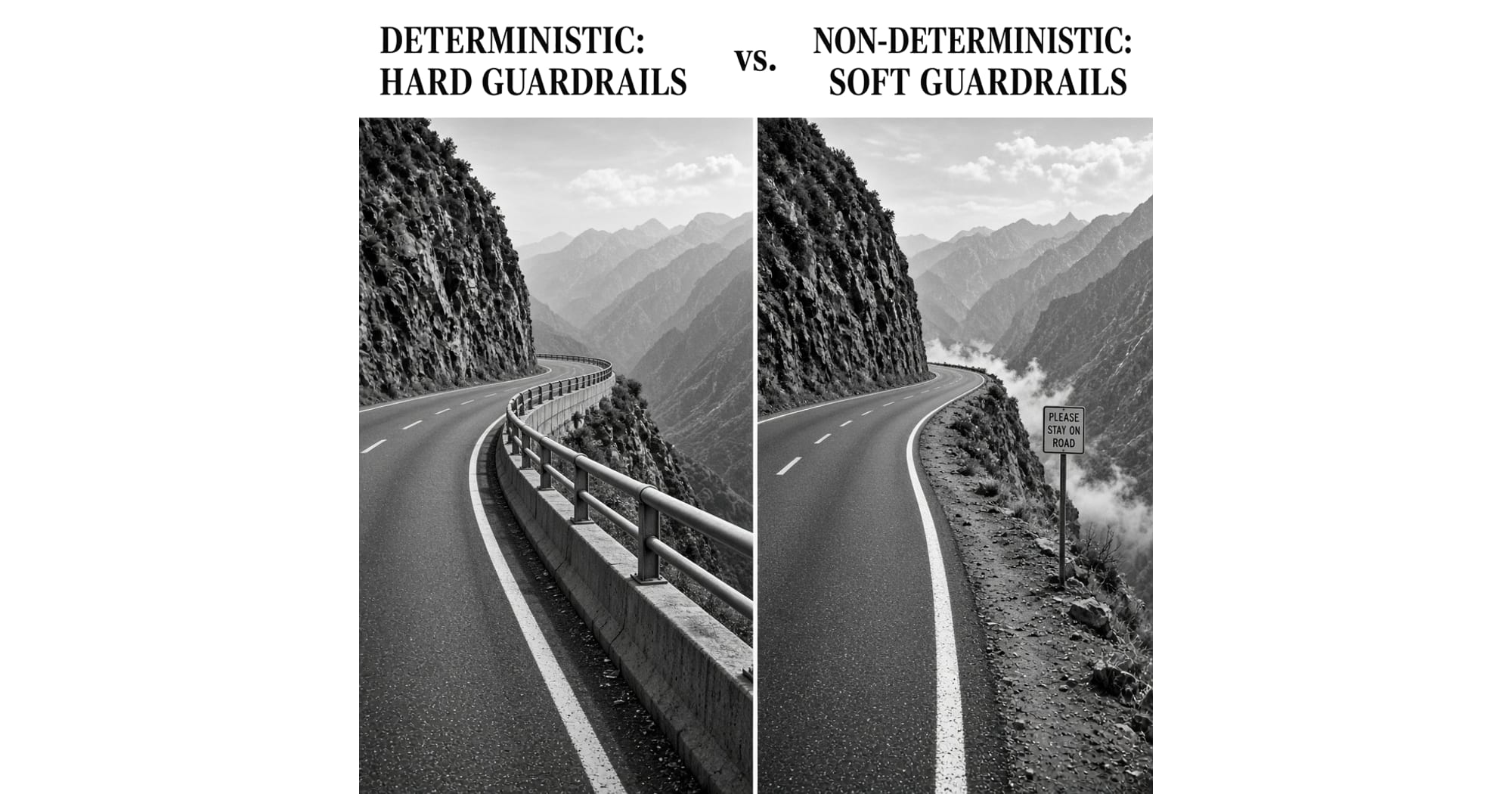
Two mountain roads side by side. Left, labeled deterministic hard guardrails: a steel guardrail on a concrete barrier runs along the cliff edge. Right, labeled non-deterministic soft guardrails: the same kind of road with no barrier, only a small sign that says Please stay on road.

When someone says “our AI has guardrails,” ask what kind. Most of the time they mean instructions the AI is supposed to follow. That’s a boundary the AI can fail to stay inside.

Picture an AI agent that’s told to only edit draft reports. It does, for weeks. Then a user asks it to “clean up last month’s reports so they match the new format,” and the agent decides that last month’s approved reports count. Nothing stopped it, because the only thing in its way was a sentence.

Continue reading “Deterministic AI Guardrails: Asking vs. Enforcing”

TX RRC OData Feed – Intro

In this series of articles we will take the RRC data from the SQL database and serve it via an OData REST API and show how we did it.

The series will consist of 3 parts:

  • Part 1: Creating the OData REST API in Visual Studio using Entity Framework Core and C#
  • Part 2: Setup Continuous Integration and Delivery for automated build and release pipelines to publish to Azure using Azure DevOps
  • Part 3: Offering the API to the public via a secured Azure API Management gateway and developer portal

Sounds like a lot…I know, so if you want to fast forward to the end and start testing the API and the data just continue reading…you should be up and running in under 5 minutes.

Continue reading “TX RRC OData Feed – Intro”

Redgate Certified Partner

Mi4 is excited to announce that we are now a Redgate Certified Partner.

Redgate makes ingeniously simple software used by over 800,000 IT professionals and is the leading Microsoft SQL Server tools vendor. Redgate’s philosophy is to design highly usable, reliable tools which elegantly solve the problems developers and DBAs face every day.

Mi4 customers have actually been enjoying the benefits of Redgate’s tools for years without realizing it. We employ SQL Compare to rollout updates across all of our customers’ databases and use SQL Monitor to ensure the Productioneer databases are operating at peak performance.

Continue reading “Redgate Certified Partner”

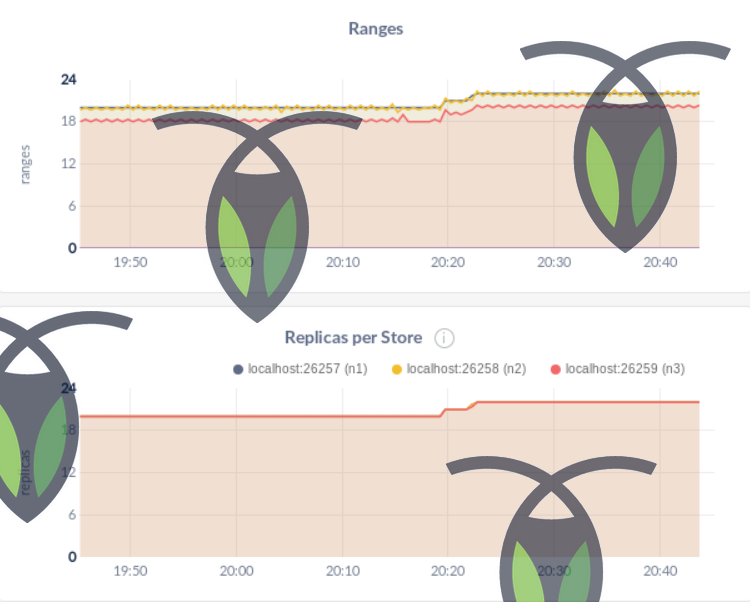
CockroachDB Test Drive

We do a lot at Mi4. We create turnkey applications, custom software solutions, provide BI and data visualization consulting, software integrations, cloud migrations, cloud to on-premise connectivity, and a bunch of other stuff that is slipping my mind right now. We also write fascinating and insightful blogs.

Because we offer so many IT solutions we keep a pulse on what’s going on in the IT world around us. We stay abreast of updates, changes, and new feature options that are available on the platforms we currently use, but we also keep an eye out for new products and techniques that could benefit our customers.

I came across one of these products called CockroachDB while naviguant sur Internet (French for “doing market research”). CockroachDB is a cloud-native SQL Database; a new breed of solution that is a consistently-replicated, transactional datastore by default. Now the name “CockroachDB” makes more sense doesn’t it?
Continue reading “CockroachDB Test Drive”

Hosting your dotnetcore app with Kestrel

Kestrel is the built-in web server for Microsoft’s dotnetcore platform. I do not know the actual etymology of Kestrel, but it sounds like a planet or the name of some obscure band that played at Fitzgerald’s in 1997. My band never played Fitzgerald’s in the 90’s. We played the Firehouse Saloon and The Side Car Pub, but that was 2000. We had some pretty catchy tunes.

Continue reading “Hosting your dotnetcore app with Kestrel”

Privacy Policy Made with ❤ in Texas.